Showing posts with label Lisa Tuttle. Show all posts

Saturday, December 13, 2025

The Pleasures of Reading, Viewing, and Listening in 2025, pt.4: Lisa Tuttle


Pleasures of Reading in 2025

By Lisa Tuttle


Because I am still writing a monthly roundup of SF/Fantasy/horror books for The Guardian, nearly all my reading has been of books in those genres, published this year, with an eye to review.  Because I have less than 700 words and am expected to include between four and six titles each month, I tend to concentrate on the books I have most enjoyed.  What follows is my “best of the best of 2025”—the books that I’d want on the list if I were a judge for The Clarke Award or World Fantasy or similar.  I urge you to seek them out for yourself!


Best SF/Speculative Fiction (six of my favorites, in no particular order): SF is a big tent; it can include  near future fiction concerned with vital issues we’re already facing, like climate change (E.J. Swift), or AI and inequality (Naylor and Liu), or really wild, mind-boggling speculation (Huang, Oyebanji, and especially qntm) – this was a very good year for SF.


All That We Are or Seem by Ken Liu


There Is No Antimemetics Division by qntm


Where the Axe is Buried by Ray Naylor


Immaculate Conception by Ling Ling Huang


When There Are Wolves Again by E.J. Swift


Esperance by Adam Oyebanji


Best Fantasy:  I tend to prefer speculative fiction to most genre fantasy; I avoid books marketed as “romantasy,”  and violent “grimdark” epic fantasies rarely appeal – but so much depends on the writing, the voice, and style.  If I am unconvinced by the blurb, or the first few pages, I will open a book at random and read a few paragraphs – that’s usually enough to either intrigue or dissuade me.  Anyway, these are the ones that kept me hooked to the end: one very dark fantasy with vampires; one perfect fairy tale; the second volume of an epic fantasy sequence; and a magical time-travel mystery  – all supremely well written.

Bury Our Bones in the Midnight Soil by V.E. Schwab

The River Has Roots by Amal El-Matar

The Strength of the Few by James Islington


The White Octopus Hotel by Alexandra Bell


Best Horror:  This genre, long overlooked, although always with its fans, is booming as never before. It has sub-genres (ghost stories, weird tales, gothic horror) and often crosses into fantasy or crime or SF. These are the ones I can’t forget:


The Cat Bride by Charlotte Tierney


Animals by Geoff Ryman


Darker Days by Thomas Olde Heuveldt


One Yellow Eye by Leigh Radford


Exiles by Mason Coile 


King Sorrow by Joe Hill


Lisa Tuttle began writing professionally in the 1970s. Although she also writes novels and non-fiction, her preference is for the weird short story. Her most recent collection is Riding the Nightmare (Valancourt), a new collection of short stories. Her 2004 novella My Death, previously published by Aqueduct Press (number 21 in the Conversations Pieces list) has been reissued in the acclaimed NYRB Classics series. She lives in a forest on the west coast Scotland. 


Monday, December 18, 2023

The Pleasures of Reading, Viewing, and Listening in 2023, pt. 8: Lisa Tuttle


Pleasures of Reading, 2023
By Lisa Tuttle


So far this year I’ve read 93 books – already breaking my own record.   

Most of what I’ve read has been to review for my monthly SF, fantasy and horror roundup for The Guardian.  I often start books that I don’t finish because life’s too short; but because my permitted word-length for the roundups is even shorter, it means that not everything I read and enjoy can make the cut.  Ever since I started this gig, I have been meaning to write something about the ones-that-didn’t-make-it to post on the blog I have never got around to writing, on the website that does not exist…but that’s not happening.

So this year, in response to Timmi’s invitation,  I decided to write not just one list but three, beginning with the books I read with intent to review that for one reason or another didn’t get included. In no particular order, here are:    

My Top Five, Unreviewed

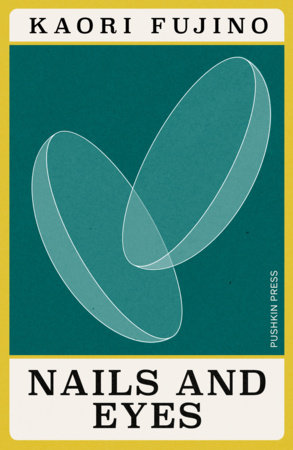
Nails and Eyes by Kaori Fujino, translated by Kendall Heitzman The title novella is a very unsettling psychological horror story involving a stepmother and stepdaughter, neither of whom is a sympathetic character. Along with two shorter ghost stories, the slim volume packs quite a punch.

A House with Good Bones by T. Kingfisher. 

I had been hearing a lot of praise for the odd-but-pseudonymously named author when this turned up in the post, but at first I thought it was not my kind of thing. I can enjoy a cosy mystery, but a cosy horror seemed impossible-- until invisible skeletal fingers started sending chills down my spine, and the narrative voice grew on me: yes, horror can be weird and creepy and alternate chills with the warm cuddlies.  Who knew?  

The Prey by Yrsa Sigurdardottir, translated by Victoria Cribb.  

I had read and enjoyed a couple of crime novels by this Icelandic writer before, and found her approach to a supernatural thriller to be similar in many ways to a detective story, even a police procedural. Well-crafted, it satisfies both as a surprisingly twisty mystery and as a more traditional ghost story.

Caged Ocean Dub by Dare Segun Falowo.  


A highly unusual short story collection by a writer who describes his style as “Nigerian Weird.”  The stories are fabulations that range from horror to surreal fantasy and speculative fiction. I love getting any of the beautifully produced limited editions published by Tartarus Press and wish I could review them more often.   

The Good Unknown by Stephen Volk. 

Another collection I wish I had been able to include in this month’s roundup – or else on this list – but time got away from me (as it does) and so far I have only read the first two short stories. I look forward to reading the rest over the holidays.

Jump Cut by Helen Grant. 

Apart from a few quibbles, I enjoyed this novel about a notorious “lost” film from the early days of Hollywood: finished, but never released. Fans and historians have speculated about it for decades, and suddenly Theda Garrick, a young widow who has been finding it hard to move on with her life, is invited to interview the 104-year-old star, ready at last to tell all – but she also wants something from Theda. Mystery and the occult mingle – it takes awhile to get there, but the creepy scenes are worth the wait.   


My Top Five, Reviewed

These are the books I enjoyed the most of those I did review. (Reviews can be found on The Guardian website.)


Bridge by Lauren Beukes

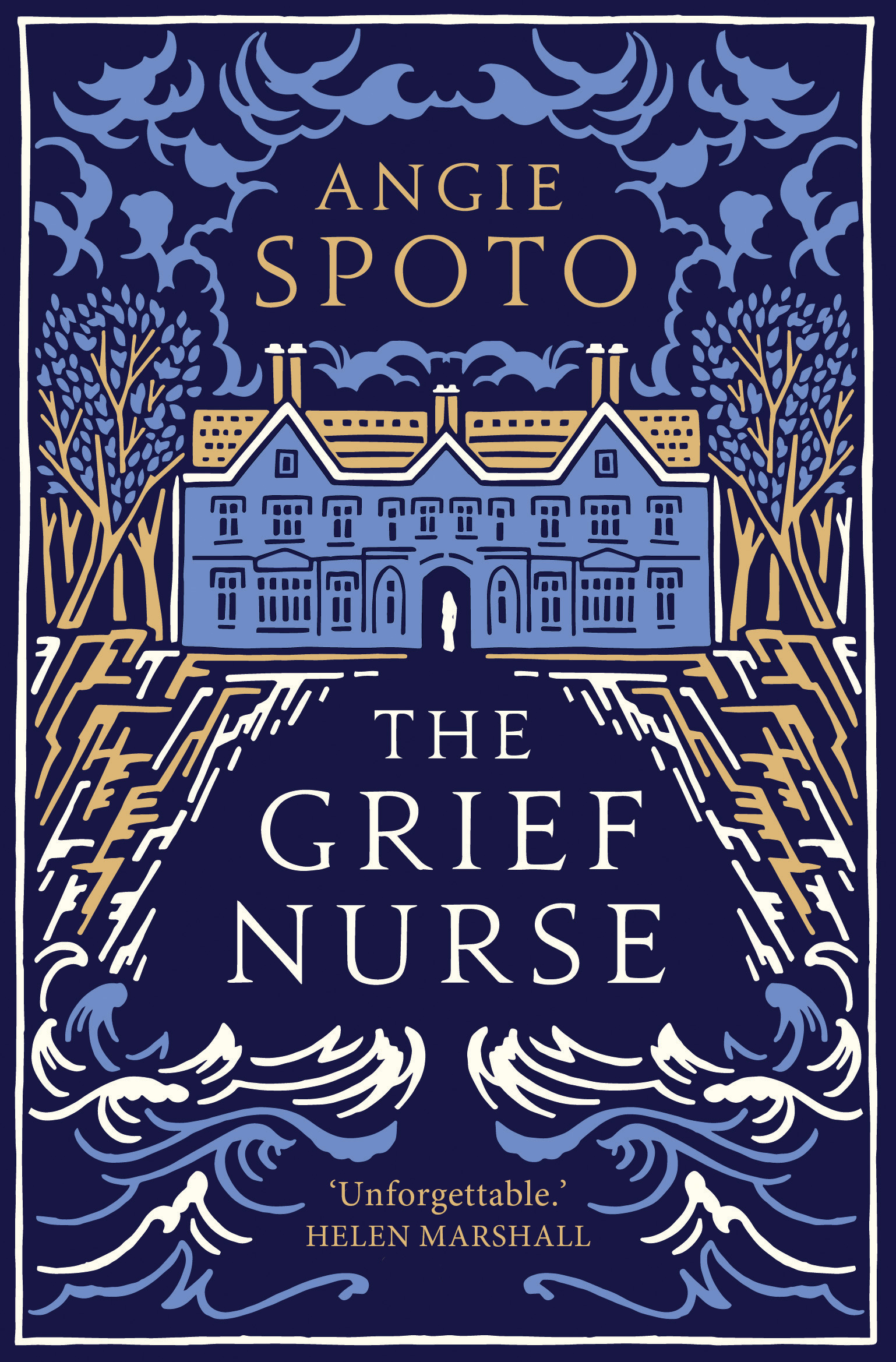
The Grief Nurse by Angie Spoto

Ink Blood Sister Scribe by Emma Torzs

The Scandalous Confessions of Miss Lydia Bennet by Melinda Taub

Looking Glass Sound by Catriona Ward


My Top Three Bought and Read This Year  

A Thread of Violence by Mark O’Connell  

Nonfiction. A different slant on the true crime genre, this is a thoughtful investigation into the question of how and why someone could brutally murder two complete strangers, a question he admits may be unanswerable – but this attempt, focusing on one man who committed crimes that took place when the author was a child, is seriously fascinating.

The Magician by Colm Toibin. 


A novel based on the life of Thomas Mann. It’s as beautifully written as everything else I’ve read by Toibin, and one of the best biographical novels I can recall. Somehow, Mann becomes as real as any fictional character, while remaining as essentially unknowable as any real person.

Yoga by Emmanuel Carrere, translated by John Lambert. 

A memoir and reflection on life that was initially intended as brief, uplifting discussion of yoga and meditation (as he’d practiced it for many years) before the author had a major mental breakdown and was committed to a psychiatric hospital for several months of treatment. I read a review that took exception to the book because, despite the author’s claim to be telling the truth, he left out things about his real life and might even have made some things up….Well, so what?  In my opinion, all memoirs are fabrications to some extent, and this book is well worth reading, full of brilliant details, some beautiful, some trivial, others shocking, and I loved it.


Lisa Tuttle began writing professionally in the 1970s. Although she also writes novels and non-fiction, her preference is for the weird short story. Her most recent collection is The Dead Hours of Night (Valancourt, 2021), but she has three books scheduled for publication in 2023: from Jo Fletcher Books, The Curious Affair of the Missing Mummies, the third in her supernatural mystery series set in London of  the 1890s; from Valancourt, Riding the Nightmare, a new collection of short stories, and, in NYRB’s “Classics” series, her 2004 novella My Death, previously published by Aqueduct Press (number 21 in the Conversations Pieces list).  She lives in a forest on the west coast Scotland. 


Saturday, December 17, 2022

The Pleasures of Reading, Viewing, and Listening in 2022, pt. 9: Lisa Tuttle


Pleasures of Reading, 2022 edition 

by Lisa Tuttle


This year, like last, I have mostly been reading the new and forthcoming books sent for review: I write a monthly genre round-up for The Guardian, so they are all SF, Fantasy or Horror. I can include four to six books, max, in the space I’m given.  Sometimes books I would like to review are assigned to someone else (really big-name authors, the occasional much-hyped debut or literary crossover, etc) and sometimes I just miss things I wish I hadn’t. But there’s never enough time to read everything I’m interested in.  I squeeze in other reading when I can. So far, I have read ninety books this year. While I do enjoy most of what I read for review, it’s not the same as “reading for pleasure,” so I thought I’d divide this piece into two parts: the most memorable/enjoyable books among those I’ve reviewed, followed by the best of those I chose to read.  Both lists are roughly in the order that I read the books.


I.

The This by Adam Roberts (Gollancz) Inventive, exciting, compulsively readable blend of extrapolation, current concerns, and deep philosophical questions 


Lamda by David Musgrave   (Europa) SF, fantasy, or metaphor for modern British life? Sometimes funny, always wonderfully weird


The Kaiju Preservation Society by John Scalzi (Tor)  This adventure with gigantic monsters on an alternate earth is great fun 


Woman, Eating by Claire Kohda (Virago) Young mixed-race artist in London also happens to be a vampire in this distinctive contemporary treatment of the horror trope


Book of Night by Holly Black (Cornerstone)  I was absolutely blown away by this very grown-up, grim, dark urban fantasy from a writer beloved for her books for younger readers (none of which I’ve read)


The Black Maybe by Attila Veres, tr. Luca KarafĂ­ath (Valancourt)  Brilliant original horror stories from a Hungarian author


Beyond the Burn Line by Paul McAuley (Gollancz)  Wonderfully imagined, compelling mystery involving first contact, set in a far future, post-Human world


Dark Arts by Eric Stener Carlson (Tartarus Press) Since I’ve only just finished reading this, it may be too soon to declare it a best of the year, but I was impressed by this thoughtful, well-written collection of strange stories


II.


The Friend by Sigrid Nunez (2018, Virago) Forced to cull some of the books from our groaning shelves, I came across this, which I hadn’t read. I couldn’t remember why I’d bought it, but could not possibly get rid of something I had not at least started to read, so… and once I started it, I was hooked. I fell in love with this wonderful book about grief and coping with grief, love and friendship, and a dog, but it is also very much about being a writer, about reading and writing and the shifting, indeterminate borders between fact and fiction.  I probably bought it four years ago because it got loads of great reviews and won the National Book Award. I am so glad I did.


Station Eleven by Emily St John Mandel (2014)  OK, I am very late coming to this party;  cannot even remember how many people have recommended it, or how long it has been languishing unread on my Kindle, and I don’t know why I had the idea that it wasn’t really going to be my sort of thing, so I resisted reading it for a long time, but I finally decided to give it a go and….what can I say? It totally is my kind of thing. I loved it so much that I have now bought two more books by Emily St John Mandel – maybe I will find the time to read them in 2023.


Entangled Life by Merlin Sheldrake (2020) This was a present from a friend who correctly guessed I would appreciate it.  It’s a non-fiction exploration of the world of fungi, a fascinating and informative look at mushrooms and others of that ilk, and that whole world is weirder than I could have guessed.  Mushrooms have often featured in SF, fantasy and horror – more than ever these days, I suspect -- but the truth really is stranger than fiction.


A Heart so White by Javier MarĂ­as, tr.Margaret Jull Costa (1992, 1995) I’ve been a big fan of Javier MarĂ­as since I first read All Souls almost twenty years ago, and have been gradually reading all his books. I decided to take this one along on our family holiday to Barcelona in September. The day we arrived, I saw the headlines in the Spanish papers: Javier MarĂ­as was dead. This was a big shock, not only because he’s one of my literary crushes (and someone who, probably unreasonably, I had imagined I might meet someday) but because he was a great writer, and barely a year older than me. Too young! The chill wind of mortality blew down my neck.  But on to this book – I loved it, as I have loved the others, but I am never sure if I can safely recommend it to other readers unless I know them well. His style is very distinctive, repetitious, deliberate and sinuous. One page early in the book made me smile, thinking that this was the sort of writing that would divide readers, either making her sigh happily (like me), and sink deeper into it, or, for another kind of person, snort with annoyance and give up.


Treacle Walker by Alan Garner (2021) As one of my friends on Facebook remarked,”It’s very Alan Garner.” True, but there are variations as to what that means.   I have been a fan of his since I first read The Owl Service, way back when. Then I sought out his earlier fantasies, which I likewise loved, and when it came along, Red Shift, although more difficult, became another favorite. But after that, I did not always respond with the same level of fascination, and at least one of his more recent books I found almost incomprehensible. But this one, which is very short, simple yet invested with mythic power, is, for me, up there with The Owl Service.  


Lisa Tuttle began writing professionally in the 1970s. Although she also writes novels and non-fiction, her preference is for the weird short story. Her most recent collection is The Dead Hours of Night (Valancourt, 2021), but she has three books scheduled for publication in 2023: from Jo Fletcher Books, The Curious Affair of the Missing Mummies, the third in her supernatural mystery series set in London of  the 1890s; from Valancourt, Riding the Nightmare, a new collection of short stories, and, in NYRB’s “Classics” series, her 2004 novella My Death, previously published by Aqueduct Press (number 21 in the Conversations Pieces list).  She lives in a forest on the west coast Scotland.