Showing posts with label Gwynne Garfinkle. Show all posts

Tuesday, December 23, 2025

The Pleasures of Reading, Viewing, and Listening in 2025, pt. 14: Gwynne Garfinkle


Reading Pleasures of 2025

by Gwynne Garfinkle


Charlie Jane Anders, Lessons in Magic and Disaster. Jamie, a trans witch and grad student, teaches her mother Serena to do magic, in the hope it will help her move on from years of grieving her late wife, Jamie's other mom. But while Serena readily takes to witchcraft, this disrupts Jamie's life in ways she never could have imagined. The novel interweaves Jamie's present-day narrative with the story of her mothers, starting in the 1990s, along with (fictional) excerpts from the 18th-century English literature that is the subject of her dissertation. (As a long-time fan of Dale Spender's Mothers of the Novel, I loved this novel's celebration of 18th-century women writers.) Anders' writing is brilliant, quirky, and full of heart.


John Wiswell, Wearing the Lion. This deft, profoundly empathetic retelling of the labors of Heracles is by turns delightful and devastating. Good-natured Heracles is clueless that his adored Auntie Hera can't stand him (because he's a reminder of Zeus's philandering). Her lashing out inadvertently leads to the death of Heracles's children, and Hera sends him on quest after quest in an attempt to hide her guilt. What follows is a wonderful tale of found family and lovable monsters, including an affable hydra and a lion named Purrseus. I kept wanting to give Heracles a hug. (The audiobook, narrated by Elizabeth Klett and Christian Black, is superb.)


Nisi Shawl, The Day and Night Books of Mardou Fox (2024). As a one-time Kerouac nerd, I was eager to read this speculative novella inspired by Alene Lee, the Black writer Kerouac used as the basis for the character of Mardou in The Subterraneans. Shawl centers Mardou's voice by telling her story in journal entries. In one passage, Mardou recounts how Leo (Kerouac) sent a story of hers to his publisher without her permission, and, even worse, "added his own ending. A collaboration, he called it." Mardou's mystical experiences add another dimension to this unique book.


Amal El-Mohtar, The River Has Roots. An exquisite tale about sisterly love and the magic of music, based on the murder ballad "The Cruel Sister." Contemporary stories about faerie are often not my jam, but this one enchanted me. The hardcover edition is gorgeous, with illustrations by Kathleen Neeley.


Sarah Gailey, Spread Me. This wild ride of a novella is a queer, erotic take on The Thing, replete with unsettling body horror. Very weird, tense, and riveting.


Rachel Harrison, Play Nice. When Clio's estranged mother Alex dies, Clio decides to renovate her childhood home, which Alex claimed to be haunted. In the process, Clio unearths buried family secrets, as well as the truth about the entity living in the house. More ambitious in structure than Harrison's previous works, this novel includes sections from Alex's paranormal tell-all book about her side of the story.


Paul Tremblay, Another. A preteen artist with an anxiety disorder is gradually replaced by a doppelganger, and his parents don't seem to notice or care. Tremblay's first foray into middle-grade fiction is creepy and genuinely upsetting, but it's also a heartwarming paean to the power of making art.


Chris Kraus, The Four Spent the Day Together. This compulsively readable novel blends autofiction and true crime reportage, amplifying both stories in the process. Kraus's exploration of class, social media, and addiction sometimes makes for an uncomfortable read, but I haven't been able to stop thinking about this book.


Marian Engel, Bear (1976). My favorite backlist discovery of the year. When I saw its lurid mass-market paperback cover on Bluesky--an erotic novel about a woman and a bear?!--I was not expecting this quiet masterpiece (which won the Governor General's Literary Award). I really must read more by Engel.


Sienna Tristen, Hortus Animarum: A New Herbal for the Queer Heart (2022). These prose poems are so full of sonic lusciousness, I couldn't stop highlighting phrases in the ebook. From "white bindweed": "I am sick to my mallowbee stomach with watching them try & control you for oh how I cherish my nosenudge in the throat of your corolla, oh how I treasure the ephemeral scent of your rarefied afternoon high--oh how I love a thing that flourishes best in disturbed earth." (Hat tip to Mary Soon Lee, who chose this chapbook for SFWA's poetry book club.)


Maggie Nelson, Pathemata, Or, The Story of My Mouth. I've been dealing with jaw dysfunction for years, so I was curious about this account of Nelson's efforts to find a cure for hers. Melding everyday life and dreams, this lyrical work is a meditation on pain and the desperation to find relief. Nelson discusses in rueful detail the quack treatments she contemplates against her better judgment. She writes: "Sometimes I wonder what I would have thought about all these years, if I hadn’t spent so much time thinking about the pain. Then I remember that I’ve thought about a lot of other things as well. Also, I'm not sure the goal of life is to think about as many things as possible." This year Nelson also published the slim volume The Slicks: On Sylvia Plath and Taylor Swift, an incisive study of ambition, fame, misogyny, poetry, and pop culture.


Chloe Caldwell, Trying. Like Pathemata, this memoir uses a specific medical issue (infertility) as a jumping-off point for an unpredictable journey. Halfway through the book, which Caldwell wrote in real time, her marriage crashes and burns, and her life (and the book) opens up as she reclaims her queer identity.


Eleanor Johnson, Scream With Me: Horror Films and the Rise of American Feminism (1968-1980). This study of domestic horror would have benefited from a more intersectional analysis. Still, Johnson's discussion of the status of reproductive rights, laws against marital rape and domestic abuse, and the Equal Rights Amendment when films like Rosemary's Baby, The Exorcist, and The Stepford Wives were released is illuminating.


Becky Siegel Spratford (editor), Why I Love Horror: Essays on Horror Literature. This wide-ranging collection includes personal essays by such horror luminaries as Tananarive Due, Stephen Graham Jones, Victor LaValle, Gabino Iglesias, and Alma Katsu.


Patti Smith, Bread of Angels. I'm currently savoring Patti Smith's latest memoir, a life-spanning self-portrait of the artist, in prose both gritty and luminous. Smith is a national treasure; in these tough times, I'm grateful for her enduring voice.


Gwynne Garfinkle lives in Los Angeles. She is the author of a novel, Can't Find My Way Home (2022), and two collections, Singing, Singing (2024) and People Change (2018), all published by Aqueduct Press. Her fiction and poetry have appeared in such publications as Strange Horizons, Fantasy, Uncanny, Escape Pod, Apex, Penumbric, and Not One of Us.


Tuesday, December 24, 2024

The Pleasures of Reading, Viewing, and Listening in 2024, pt. 15: Gwynne Garfinkle


Reading Pleasures of 2024

by Gwynne Garfinkle


Kelly Link, The Book of Love. When three teenagers come back from the dead, they must figure out what happened to them and how to stay alive. From that premise comes a funny, sexy, magical, at times terrifying work, ranging through such subjects as romance novels, music from Barry Manilow to John Cage, shapeshifting, mind control, and, of course, love. My favorite novel of the year.


 John Wiswell, Someone You Can Build a Nest In. This story of a shapeshifting blob who falls in love with a monster hunter manages to be both scary/gross and heartwarming. (Carmen Rose's narration on the audiobook is marvelous.)


Gerardo SĂ¡mano CĂ³rdova, Monstrilio (2023). A mother cuts out part of her dead son's lung, which grows into a monster-child torn between his human ties and his carnivorous urges. A surprisingly tender exploration of family.


Tananarive Due, The Reformatory (2023). A twelve-year-old boy is sentenced to a stint at a hellish reform school in Jim Crow Florida. The fact that the reformatory is haunted may be the least terrifying thing about it. A nerve-wracking, powerful read.


Jennifer Thorne, Diavola. I couldn't put this book down, though it rendered me unlikely ever to rent a picturesque Italian villa. When a commercial artist joins her ridiculously dysfunctional family at a vacation rental, she's the only one not in denial when it becomes clear the place is haunted. Even worse, the family blames her for the increasingly creepy goings-on.


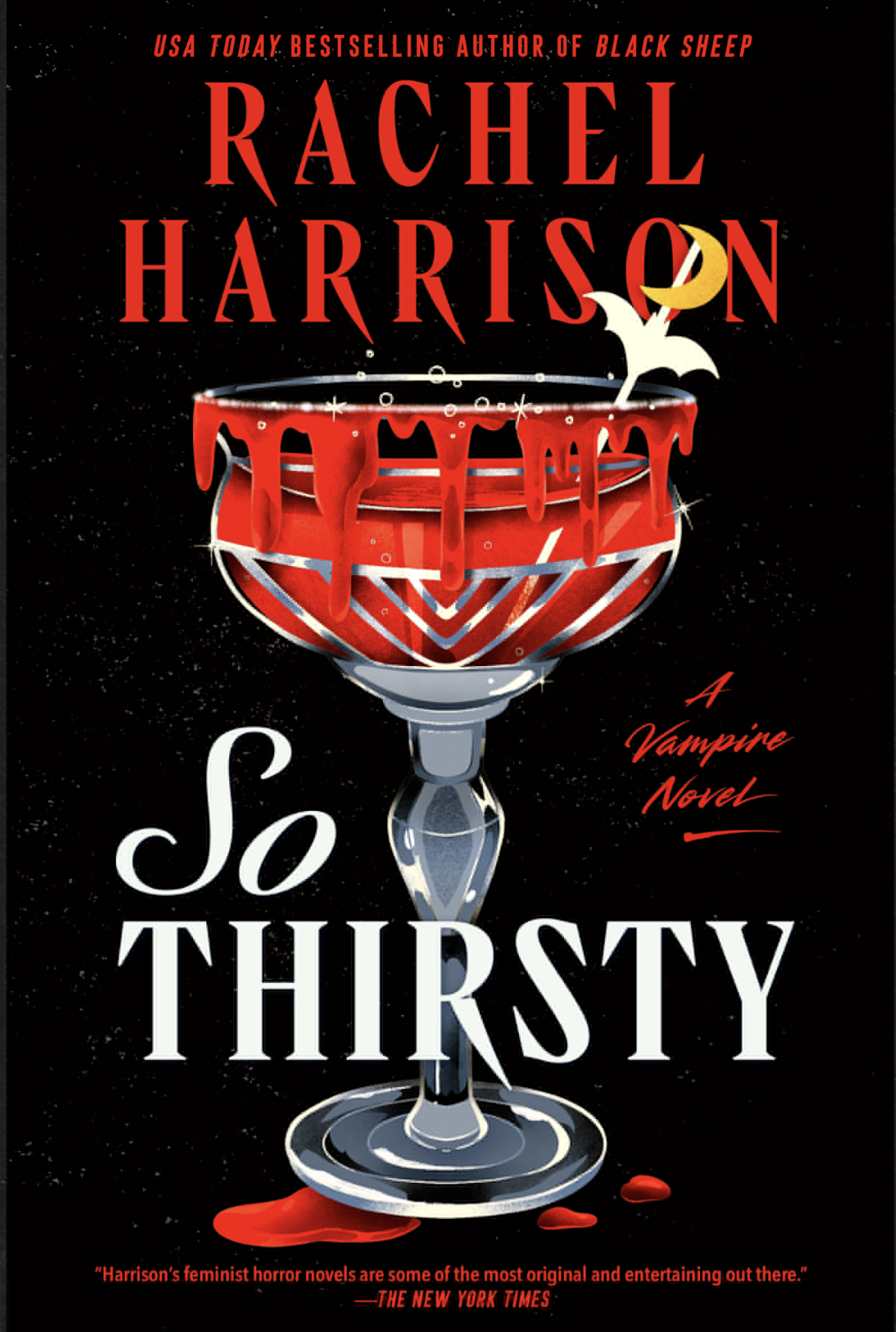
Rachel Harrison, So Thirsty. Harrison's latest book is about best friends who wind up getting turned into a sort of vampire Thelma and Louise (complete with a "bitches from hell!" shout-out). Like other Harrison novels, this one explores female rage and the complexities of female friendship.


Paul Tremblay, Horror Movie. This novel about an ill-fated 1990s indie film is both a dread-filled page-turner and a meditation on the horror genre.


Sofia Samatar, The Practice, The Horizon, and the Chain. An incisive dark-academia novella set on a caste-stratified generation ship. I also listened to the audiobook of Samatar's memoir The White Mosque (2022), beautifully narrated by the author.


Emily Henry, Funny Story. In Henry's latest romance, a woman and a man are dumped by their significant others (who had been longtime best friends). The heartbroken pair become roommates, then fall in love. In keeping with Henry's trend of bookish heroines, this novel's protagonist is a librarian. I also read Henry's People We Meet on Vacation (2021), which foregrounds the best-friends-falling-in-love trope. I listened to these on audiobook, narrated by the wonderful Julia Whelan.


Elizabeth McCracken, An Exact Replica of a Figment of My Imagination (2008). This memoir about a pregnancy that ended in still birth is an exquisite exploration of joy as well as grief.


Emily Van Duyne, Loving Sylvia Plath: A Reclamation. This important addition to Plath scholarship examines Plath's life and work through the lens of intimate partner violence. The book discusses Ted Hughes's attempts to control the narrative about his late wife (and his lover Assia Wevill, who also killed herself), and reveals how critics followed his lead. (I've read a lot of books about Plath, but this one contains some new-to-me examples of Hughes's staggering awfulness.)


Maggie Doherty, The Equivalents: A Story of Art, Female Friendship, and Liberation in the 1960s (2020). Plath also appears, somewhat tangentially, in this account of Radcliffe's Institute for Independent Study, a program of paid fellowships for women. Among its early beneficiaries were authors Anne Sexton, Miriam Kumin, and Tillie Olsen, as well as visual artists Barbara Swan and Marianna Pineda. As this book shows in fascinating detail, these women thrived creatively during their time at the Institute, in no small part because of their friendships.


Holly Lyn Walrath, Numinous Stones (2023) and Jessica LĂ©vai, The Night Library of Sternendach (2021).  Both of these speculative poetry books utilize poetic forms in ways that are fresh and moving. Numinous Stones makes dazzling, incantatory use of the difficult pantoum form. The Night Library of Sternendach is a propulsive novella in Pushkin sonnets about the romance between a vampire and the daughter of vampire hunters.


Brea Grant's and Mallory O'Meara's Reading Glasses continues to be my favorite bookish podcast. A great source of diverse book recs and ideas for improving one's reading life, it's also frequently hilarious.


Gwynne Garfinkle lives in Los Angeles. Her collection of short speculative fiction, Sinking, Singing, was published this year by Aqueduct Press. She is the author of a novel, Can't Find My Way Home (2022), and a collection of short fiction and poetry, People Change (2018), both available from Aqueduct. Her work has appeared in such publications as Strange Horizons, Worlds of Possibility, Fantasy, Uncanny, Escape Pod, Apex, and Not One of Us.


Wednesday, October 2, 2024

Sinking, Singing by Gwynne Garfinkle


 I'm pleased to announce the release of Gwynne Garfinkle's wonderful new collection, Sinking, Singing. Aqueduct Press is publishing it in both print and e-book editions. You can purchase it now at http://www.aqueductpress.com/books/978-1-61976-270-1.php.

 You can also read a sample from the book here: http://www.aqueductpress.com/books/samples/978-1-61976-270-1.pdf.

In these stories a young girl hears unsettling messages in the grooves of an old record album. A washed-up horror star gets a second chance at stardom, but at a great price. A robot rebellion is fueled by the poetry of Adrienne Rich and Audre Lorde. In this collection of short fiction, some characters seek to escape (often through music or magic), while others choose to remain in the beautiful, albeit damaged, present moment.


Sunday, December 17, 2023

The Pleasures of Reading, Viewing, and Listening in 2023, pt. 7: Gwynne Garfinkle


Reading Pleasures of 2023
by Gwynne Garfinkle


Looking back on this year's reading, I find that I read way less nonfiction than usual. Most of my favorite books this year were fiction, many of them in the horror and thriller genres.

In Silver Nitrate, the latest novel by Silvia Moreno-Garcia, a movie sound editor and her best friend (a former soap star she's always been in love with) must unravel the mystery of a cursed film and the Nazi occultists fixated on it in 1990s Mexico City. I loved all the references to horror movie-making, but my favorite aspect of the novel was the cranky but profound relationship between the two leads.


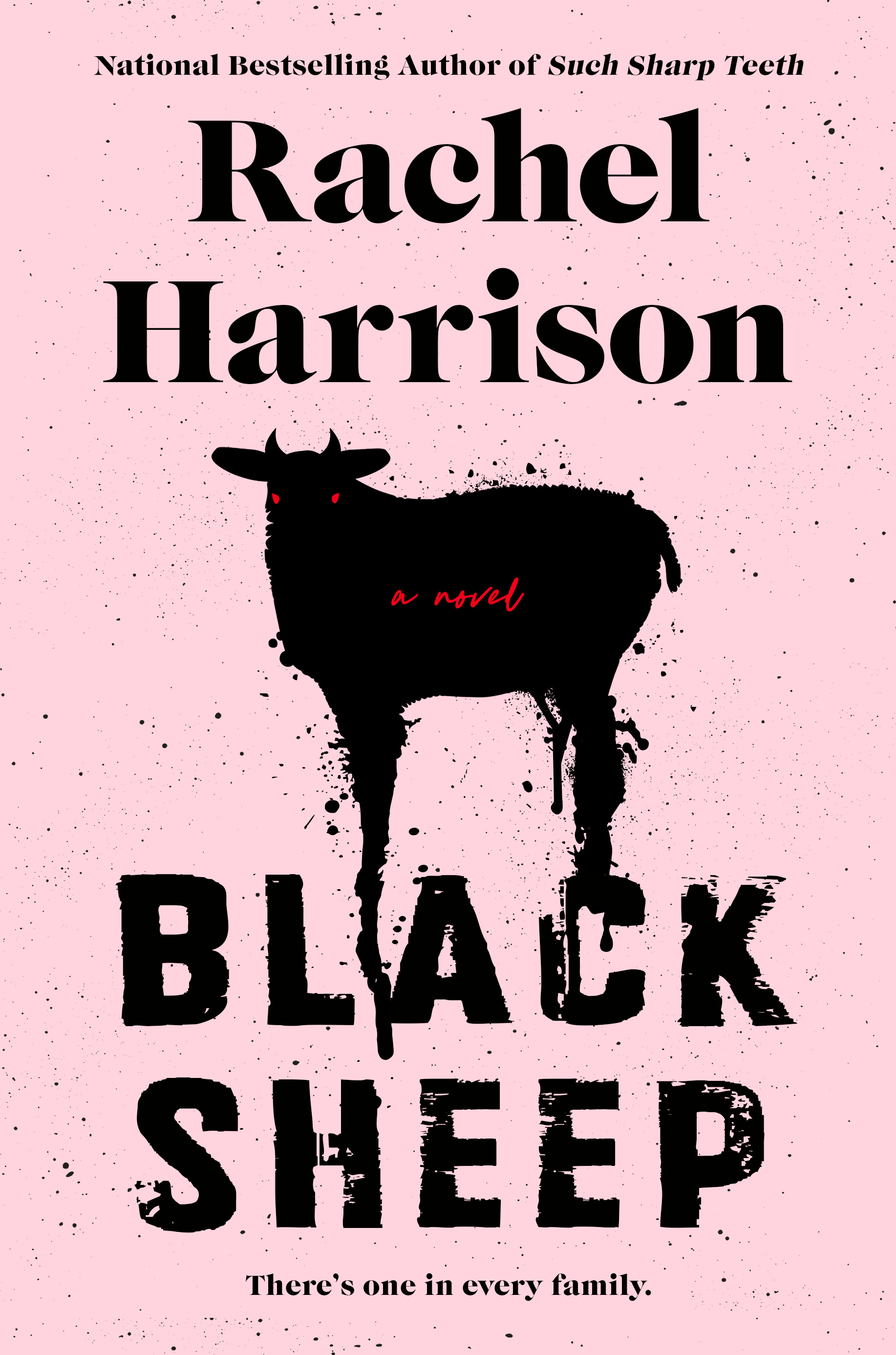
This year I read all of Rachel Harrison's novels. Each one explores female power and violence through a different horror staple: witches (Cackle), werewolves (Such Sharp Teeth), and "coming back wrong" (The Return). Her 2023 release, Black Sheep, is a neat feminist twist on The Omen that may be my favorite to date.

Another horror novel from 2023 that I enjoyed is Chuck Wendig's Black River Orchard, a sprawling but propulsive story about a town beset by evil apples. (While reading it, I found myself eyeing apples with suspicion at the grocery store.)

This year New York Review Books published a new translation by Paul Eprile of Colette's Chéri and The End of Chéri. I read these books long ago in an earlier translation, but this version brings them to life in all their exquisite earthiness.


NYRB also reissued Lisa Tuttle's novella My Death this year, and a wonderful Zoom discussion between Tuttle, Kelly Link, and Amy Gentry prompted me to finally read the Aqueduct edition that I'd bought years ago. I found this story of a widowed writer excavating the life of a neglected woman author and artist so irresistible, I would have loved it even without its uncanny elements and haunting spiral structure. (I also read Tuttle's earlier novel Familiar Spirit, a straight-up horror tale of possession, heartbreak, and sexual desire, reprinted in Valancourt's Paperbacks From Hell series.)

In Meg Elison's thriller Number One Fan--a gender-swapped version of Stephen King's Misery--a famous urban fantasy author is held prisoner by a misogynist fan. The different gender dynamic changes how the story plays out (it's the first time I've read a story about a captive woman in which she gets a raging UTI), as does the fact that it's set in the age of social media and toxic fandom. This book gave me nightmares, but I couldn't stop reading it.

R.F. Kuang's Yellowface is another compulsively readable novel that deals with publishing, plagiarism, and social media. An unsuccessful white writer steals a manuscript by her deceased Chinese-American friend, a young literary star. She claims to have written the novel herself and takes on a "racially ambiguous" persona to fend off accusations of cultural appropriation. This brutal satire is as uncomfortable as it is entertaining.

Delicate Condition by Danielle Valentine is a pregnancy thriller Ă  la Rosemary's Baby about an actress in her late thirties attempting to have a baby by IVF. Although an embryo is successfully implanted, the woman miscarries--or does she? (The novel has been adapted by the American Horror Story TV series, but the AHS version, Delicate, makes changes that--at least up to the point that has aired so far--only point up the novel's more skillful storytelling.)


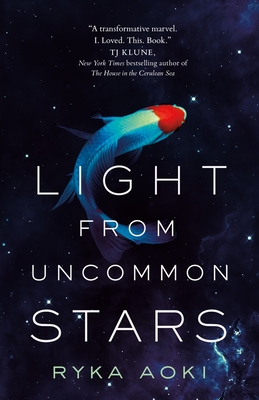
Probably the most joyful book I read all year was Ryka Aoki's Light From Uncommon Stars, a trans coming-of-age story featuring music, space aliens, Faustian bargains, and donuts. As a life-long Angeleno, I particularly enjoyed the novel's San Gabriel Valley setting.
 
My favorite poetry book of 2023 is R.B. Lemberg's Everything Thaws: A poetic cycle. This stunning autobiographical work spans Lemberg's childhood in the Soviet Union through their time in Hungary, Israel, and the United States, as it explores family, Jewish generational trauma, and memory. The thawing Siberian permafrost, a harbinger of climate change, also becomes a metaphor for unburied truths.


Gwynne Garfinkle lives in Los Angeles. She is the author of a novel, Can't Find My Way Home (2022), and a collection of short fiction and poetry, People Change (2018), both available from Aqueduct Press. Her work has appeared in such publications as Strange Horizons, Worlds of Possibility, Fantasy, Uncanny, Escape Pod, Apex, and Not One of Us.


Sunday, December 18, 2022

The Pleasures of Reading, Viewing, and Listening in 2022, pt. 10: Gwynne Garfinkle


Reading Pleasures of 2022

by Gwynne Garfinkle


2022 was a rough year for me (although it started with the release of my debut novel!), but books were a welcome respite. Here are some of my favorites of the year.


Fiction / Poetry

Elif Batuman, The Idiot and Either/Or. Selin, the Harvard undergrad protagonist of these novels, is as perceptive about languages and literature as she is naive about relationships. (There were times when I wanted to punch Ivan, the elusive Hungarian student who is the object of her obsession.) In Either/Or, Selin grapples with compulsory heterosexuality, though she doesn't yet have the words for the concept. Set in the 1990s, these books are autobiographical fiction of a wildly episodic nature, but I devoured every page. I hope there will be a third volume.


Gabrielle Zevin, Tomorrow, and Tomorrow, and Tomorrow. This novel explores creative collaboration, friendship, and disability. Sam Masur and Sadie Green play video games together as kids and design them as adults. They advance each other artistically and let each other down. As much as I wanted to shake them for their inability to communicate with each other, I loved these characters, as well as kind, gorgeous Marx Watanabe, the third member of their team, who loves them both. I even enjoyed reading about their video games, though I have never been a gamer.


Sonya Taaffe, As the Tide Came Flowing In. This chapbook contains poetry and prose that focuses on oceanic themes. All of it is gorgeous (which will come as no surprise to Taaffe's readers), but I particularly loved the collection's eponymous novelette, about a woman visited by her drowned sailor husband.


Melissa Broder, The Pisces. A woman, at loose ends after breaking up with her long-time boyfriend, winds up in a passionate affair with a merman. Haunting, funny and explicit, the book goes a lot darker than I'd expected (even aside from the disturbing animal neglect/abuse plot thread), but I couldn't stop thinking about it.


Alyssa Songsiridej, Little Rabbit. A young queer woman finds her footing as a writer and in a sub/dom relationship with an older, more successful male choreographer. This new pairing disrupts her longtime friendship with her roommate, also a young writer, who lets loose with jibes about straight privilege as she tries to reassert the status quo. A beautifully nuanced take on power relationships and the older man/younger woman trope.


Megan Giddings, The Women Could Fly. Witchcraft is real in this novel, in which women must marry by age thirty or submit to monitoring by the state. Josephine Thomas's mother, rumored to be a witch, vanished when Jo was a teenager. Now, fourteen years later, as she attempts to fulfil her mother's last request, Jo finds she must acknowledge her own powers, even as that puts her, as a Black woman, in especial danger of being tried as a witch.


Nonfiction

Annie Ernaux, Happening. Nobel-Prize winner Ernaux's harrowing and all-too-relevant account of her illegal (and nearly fatal) abortion as a young woman in 1963 France.


Annie Ernaux, Simple Passion. This brief memoir explores Ernaux's obsessive affair with a married man from Eastern Europe. Her more recent volume, Getting Lost, deals with the same relationship in exhaustive detail (and reveals her lover to be a Soviet diplomat), but I found the earlier book more incisive.


Michelle Tea, Knocking Myself Up: A Memoir of My (In)Fertility. The engaging and refreshingly queer tale of Tea's quest, at age forty, to bear a child.


Julie Phillips, The Baby on the Fire Escape: Creativity, Motherhood, and the Mind-Baby Problem. Phillips explores how woman artists balance--or don't--pregnancy and motherhood with creative work. Among those she discusses are Alice Neel, Gwendolyn Brooks, Ursula K. Le Guin, Doris Lessing, Audre Lorde, Shirley Jackson, and Angela Carter.


Audiobooks

I listened to a lot of audiobooks this year, some of them books I'd never read before, others already favorites of mine. Some of them made me boggle at the narrators' inexplicable mispronunciations. Others, like the following, were delightful and moving.


Charlie Jane Anders, Never Say You Can't Survive:  How To Get Through Hard Times by Making Up Stories. This is one of the most inspiring and useful books on writing fiction I've ever read, and Anders narrates the audio version with verve and humor (plus, outstanding enunciation!).


Ira Levin, Rosemary's Baby. When I found out Mia Farrow had narrated an audiobook of Rosemary's Baby, I had to give it a listen during Spooky Season. Farrow gives a bravura performance (though I longed to hear Ruth Gordon's voice for Minnie Castevet's dialogue).


Carmen Maria Machado, In the Dream House. Machado's narration lends new depth to this kaleidoscopic exploration of an abusive lesbian relationship.


John Doe, with Tom DeSavia and Friends, Under the Big Black Sun: A Personal History of L.A. Punk. This collection of tales from the glory days of Los Angeles punk is even more riveting in audio format, with narration by the likes of Doe and Exene (X), Jane Wiedlin and Charlotte Caffey (The Go-Go's), Dave Alvin (The Blasters), Teresa Covarrubias (The Brat), and Robert Lopez (The Zeros, El Vez).


Gwynne Garfinkle lives in Los Angeles. She is the author of a novel, Can't Find My Way Home (2022), and a collection of short fiction and poetry, People Change (2018), both available from Aqueduct Press. Her work has appeared in such publications as Other Covenants: Alternate Histories of the Jewish People, Fantasy, Uncanny, Strange Horizons, Escape Pod, The Deadlands, Apex, Not One of Us, and The Cascadia Subduction Zone.